 By Devin Gianni
Introduction: A Timeless Quest for Growth
Throughout history, humankind has always sought ways to transform surplus into security, risk into reward, and hard work into lasting wealth. This fundamental impulse—known today as investment—has shaped empires, funded revolutions, and enabled ordinary individuals to secure futures that once would have been unimaginable. In our modern world, the opportunities to invest are more varied and accessible than ever before. Yet, the essence remains the same: to place trust and resources into something today with the faith it will flourish tomorrow.
Defining Investment: More Than Just Money
At its simplest, investment is the commitment of capital with the expectation of a return. But in reality, it is far more nuanced. True investment is not a reckless gamble; it is a deliberate act, blending reason with vision. It demands an understanding of markets, a tolerance for risk, and the patience to allow time to work its quiet magic.
The best investors do not merely chase profits. They cultivate opportunities. They study economies, industries, and trends. They know that investment is not only about money but also about time, knowledge, and the courage to endure uncertainty.
Why People Invest: The Many Faces of Motivation
People invest for countless reasons, each as unique as the individual or institution behind the decision.
Common motivations include:
-
Wealth Accumulation: To grow capital beyond what saving alone can achieve
-
Financial Security: To protect against life’s inevitable surprises
-
Retirement Planning: To ensure comfort and dignity in later years
-
Education and Legacy: To fund children’s futures and pass wealth to heirs
-
Entrepreneurship and Innovation: To support ideas that can transform industries
Regardless of the goal, the principle is constant: investment is about tomorrow, not today.
Traditional Avenues: The Bedrock of Classic Portfolios
For generations, investors have turned to tried-and-true instruments that form the backbone of most portfolios.
Equities
Shares of public companies are perhaps the most familiar investment vehicle. Stocks offer the possibility of dividends and capital appreciation. Over the long term, equities have historically outperformed many other asset classes, though they come with the trade-off of volatility and market swings.
Bonds
Fixed-income securities are prized for their stability. By lending money to governments or corporations, investors receive regular interest payments and the promise of principal repayment upon maturity. Bonds can temper the risk of more volatile holdings and provide reliable income.
Real Estate
Bricks and mortar remain a popular store of value. Whether through direct ownership, rental properties, or real estate investment trusts (REITs), real estate offers tangible assets, steady cash flow, and potential appreciation.
Cash Equivalents
While not glamorous, savings accounts, certificates of deposit, and treasury bills serve a critical role: liquidity and safety. They generate modest returns but preserve capital and provide flexibility.
Emerging Frontiers: Alternatives and Innovation
The modern investor has access to an ever-expanding universe of alternative investments. These can provide diversification and unique exposure—often with added complexity and risk.
Popular alternatives include:
-
Private Equity: Investing directly in private companies, startups, or venture capital
-
Hedge Funds: Pooled funds that employ sophisticated strategies to seek absolute returns
-
Commodities: Gold, oil, and agricultural products offer hedges against inflation and market downturns
-
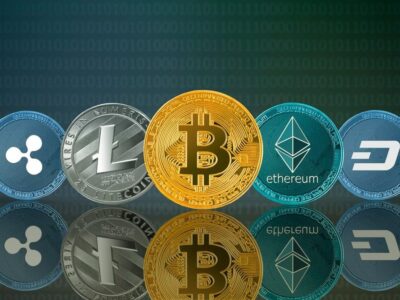
Cryptocurrencies: Digital assets like Bitcoin and Ethereum, while highly volatile, have captured the imagination of a new generation of investors
Core Principles: The Hallmarks of Wise Investing
Markets may change, but sound investing practices endure.
Diversification
Never put all your eggs in one basket. By spreading capital across different asset classes, industries, and geographies, investors reduce exposure to any single point of failure.
Long-Term Focus
Successful investing rewards patience. Attempting to time the market is notoriously difficult—even seasoned professionals rarely do it well. A steady, consistent approach often triumphs over frantic trading.
Risk Management
Every investor must understand their own risk tolerance. A young professional with decades ahead may embrace higher risk for higher potential reward. A retiree, by contrast, will likely seek stability and capital preservation.
Continuous Education
Markets evolve. Economic conditions shift. Staying informed ensures that investment decisions remain grounded in reality rather than outdated assumptions or passing fads.
Psychology: The Invisible Battle
Perhaps the greatest challenge investors face lies not in markets, but within themselves. Fear, greed, and the constant barrage of sensational headlines can derail even the best-laid plans.
Disciplined investors master the art of:
-
Keeping emotion in check during market volatility
-
Avoiding the temptation to follow crowds blindly
-
Maintaining perspective and sticking to long-term goals
Tools of the Modern Investor
Today’s investor enjoys access to powerful tools once reserved for institutions. Online brokerages, mobile trading apps, and robo-advisors make it possible to buy shares, rebalance portfolios, or analyze charts at any hour.
Key tools include:
-
Online Brokerages: Low-cost access to global markets
-
Robo-Advisors: Algorithm-driven portfolio management for passive investors
-
Financial Planners: Personalized guidance for complex financial landscapes
-
Educational Resources: Courses, podcasts, and books to sharpen knowledge
Seeking Professional Guidance
While technology has democratized investing, expert advice remains invaluable—particularly for those managing large portfolios, complex tax scenarios, or legacy planning. Financial advisors and wealth managers tailor strategies to unique circumstances, ensuring that investment decisions align with broader life goals.
A Changing World: New Risks and New Opportunities
The investment landscape is not static. Climate change, demographic shifts, technological disruption, and geopolitical tensions all shape how markets behave and where opportunities arise.
Sustainable investing, once niche, has become mainstream as investors consider not just profits, but impact. ESG (Environmental, Social, and Governance) principles now guide trillions in assets, reflecting a growing belief that investing responsibly can be both ethical and profitable.
Conclusion: More Than Money
Investment, at its highest level, is not about chasing the next big win or outsmarting the market at every turn. It is about stewardship—caring for what you have today so that it flourishes for tomorrow. It demands humility to accept what cannot be predicted, courage to act when uncertainty reigns, and wisdom to know when to stay the course.
In the end, the true measure of an investor is not the size of their fortune, but the security they build for themselves, the opportunities they unlock for others, and the legacy they leave behind. To invest well is to believe in the future—and to help shape it, one decision at a time.